Memphis is about to lose something precious.
Memphis Theological Seminary for decades quietly and faithfully helped form the moral and spiritual backbone of this city.
Unless there is an unexpected miracle, it will close its door at the end of this academic year.
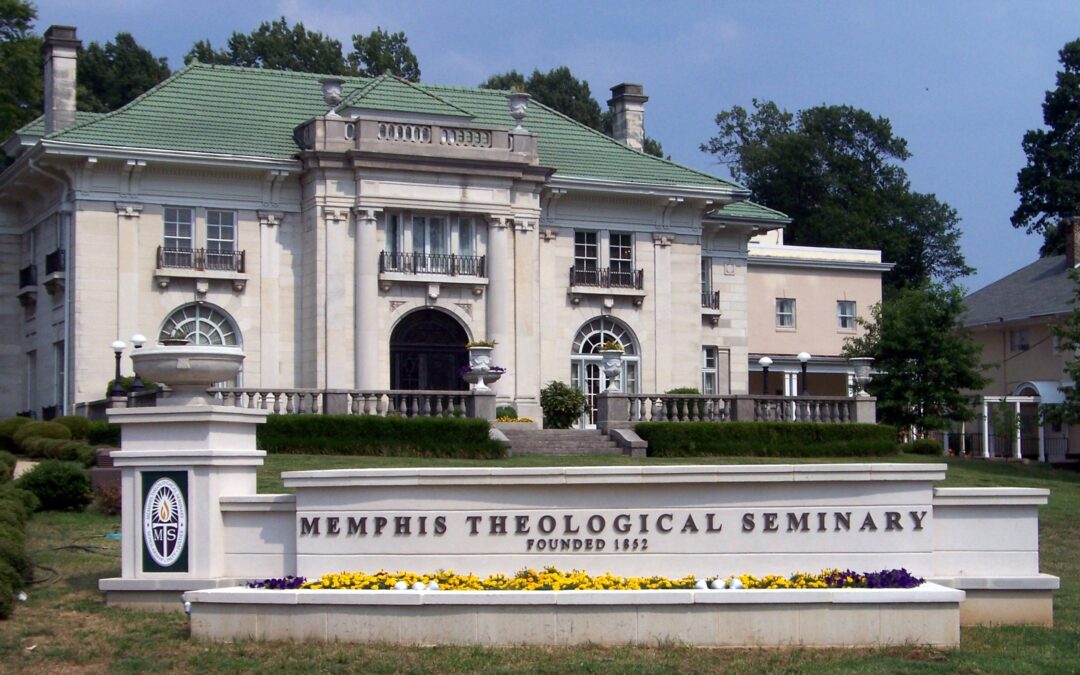
Its imminent closing is more than the loss of a school. We are losing a voice, a gathering place and a way of forming leaders who understand faith is not an abstraction but something lived out on city streets, in hospital rooms and in neighborhoods too often forgotten.
Stanley Hauerwas, a well-respected theological voice, once called Memphis Theological Seminary “a blue-collar seminary.”
He meant this as high praise. This was not a place that trained clergy for polished pulpits alone. It prepared pastors, chaplains, counselors and community leaders who knew how to sit with people in pain, listen without flinching and serve without pretense. It was theology with its sleeves rolled up.
That matters, especially in Memphis.
Our city is shaped by struggle and resilience, by profound injustice and astonishing generosity. It is a city where faith communities are not side institutions but central fixtures.
Churches, synagogues, mosques and ministries fill gaps left by broken systems. They feed people, heal people, educate people and bury people. They show up.
A mainline seminary rooted in this city understood that reality. Memphis Theological Seminary welcomed students who were already working full-time, raising families, serving congregations and caring for neighbors. Many were second-career students. Many were people of color. Many were women whose calls had not always been honored elsewhere.
This was not accidental. It was theological.
Mainline seminaries have a particular gift to offer American Christianity — and American civic life. They teach that faith and reason belong together. That doubt isn’t the enemy of belief. That we must wrestle with scripture in ways that heal and not wound and soften hearts rather than harden them. That justice, humility and compassion are not optional electives but core requirements.
In a time when religion in America is often loud, angry and divisive, mainline theological education offers something quieter and deeper: formation.
The slow shaping of leaders who can hold complexity, resist easy answers and remain grounded in love even when the world fractures around them.
Memphis Theological Seminary has done that kind of work here — in this place, for this city.
Its graduates serve small congregations and large ones. They work in hospitals, nonprofits, schools and prisons. Some stand behind pulpits, others sit beside hospital beds. The Episcopal bishop of Mississippi is a graduate.
Most graduates will never be famous, but they have cared for thousands of Memphians at moments when care mattered most.
As the founder of Church Health, I have seen firsthand how deeply Memphis depends on leaders formed by this kind of theology.
Health care, education, criminal justice, housing — none of these can be addressed by policy alone. They require moral imagination. They require people who believe every human being bears dignity regardless of income, insurance status or ZIP code.
Memphis has always been a place where faith and public life intertwine. From the sanitation-workers strike to today’s grassroots ministries, moral courage often has been born in classrooms, sanctuaries and study groups that asked difficult questions and refused easy answers.
Memphis Theological Seminary stands in that tradition.
Seminaries like Memphis Theological Seminary help cultivate that imagination.
Calling MTS a “blue-collar seminary” was exactly right. It honored work. It honored presence. It honored the idea that theology belongs not just in books but also in lives.
Its closing should prompt more than nostalgia. I hope it provokes serious reflection.
What does it say about us when institutions dedicated to thoughtful, inclusive, justice-oriented faith formation can’t survive?
What happens to a city when spaces for deep moral reflection disappear?
Who will help form the next generation of leaders who understand both scripture and suffering?
This isn’t simply a church issue. It’s a civic one.
We should all grieve the school’s closures. We should honor its legacy. And we should ask ourselves what it will take to ensure Memphis continues to nurture leaders shaped by humility, justice and love?
Because cities, like people, need more than success to thrive. They need soul.
Read the full story on Daily Memphian.
The Rev. Dr. G. Scott Morris, M.D., is founder of Church Health. He is a regular contributor to The Daily Memphian.
The Daily Memphian is the must-read, primary daily online publication for intelligent, in-depth journalism in the Memphis community. The Daily Memphian reports on critical news, holds political, business and community leaders accountable, and engages with and entertains its readers – all while seeking truth, acting with integrity, and never fearing stories simply because of their negative or positive attributes. Led by a seasoned team of veteran journalists, The Daily Memphian is of Memphis, not just in Memphis, and seeks to tell the stories of this city.